Mechanical design · Prototyping · Leadership
FIRST Robotics
From early fabrication to complete mechanisms, subsystem ownership, leadership of a roughly 15-person team, and FRC integration.
Skills
Mechanical DesignFusion 360FabricationPrototypingSystems IntegrationTeam Leadership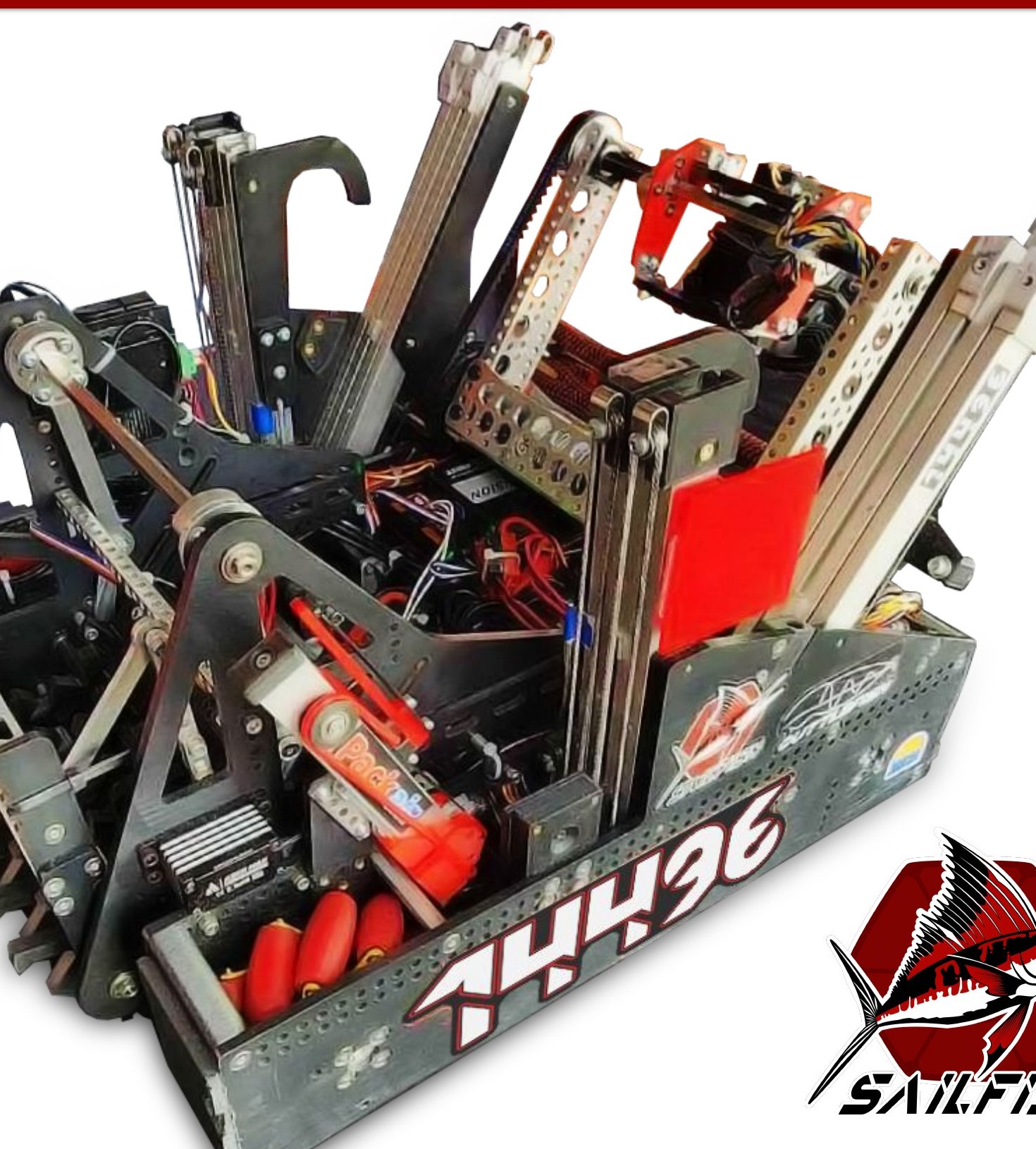
Project overview
My first long-term engineering laboratory
FIRST Robotics is where I learned how much I enjoy building things. I started in FIRST LEGO League, moved into FTC and FRC, and gradually took on CAD, mechanism design, machining, design reviews, subsystem ownership, and team leadership.
The process that stayed with me is simple: build something, test it, understand why it failed, change it, and try again.
- Student experience
- 2014–2024
- Programs
- FLL · FTC · FRC
- Progression
- FLL member → Mechanical member → Designer → Team Lead
- Core work
- CAD · Prototyping · Fabrication · Integration
Progression
A decade in one view
- FLLProgramming, teamwork, and technical presentations
- FTC mechanicalFabrication, assembly, machining, and robot maintenance
- FTC designCAD, a first complete mechanism, and the Tonk redesign
- Team 10092 leadA 15-person team and three major robot iterations
- FTC 14496V1 intake work, CAD collaboration, and outreach
- FRC 1622Removable bumper hardware and STEM advocacy
01 · Foundations · 2014–2019
Learning how robots actually go together
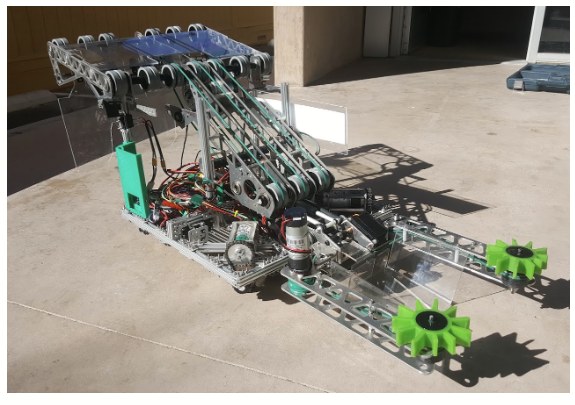
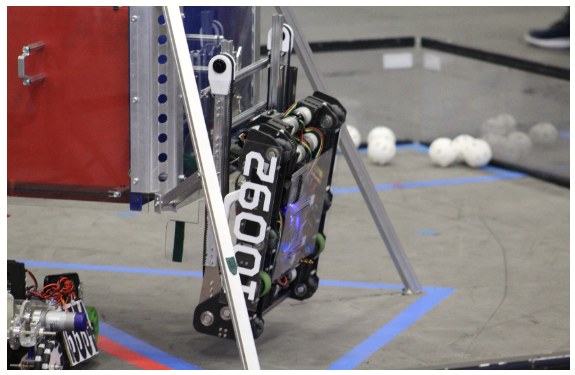
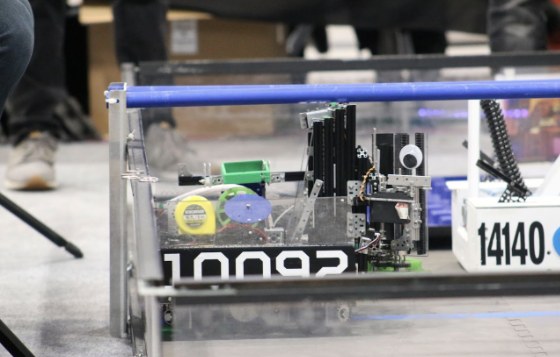
FLL introduced me to block programming, teamwork, presentations, and solving a problem as a group. When I moved into FTC, I was mainly a mechanical team member learning basic fabrication, assembly, machining, maintenance, and troubleshooting.
I was not the primary designer of these early robots. They were where I learned to see a robot as a set of mechanical systems that had to share structure, wiring, power, and a limited envelope.
02 · Becoming a designer · 2020–2022
From building parts to redesigning a system
Around 2020, I moved much more heavily into CAD and created my first complete mechanism: a shooter system. By the 2021–2022 season, I was responsible for nearly all of Tonk’s mechanical systems aside from one endgame mechanism.
Redesigning the primary scoring mechanism
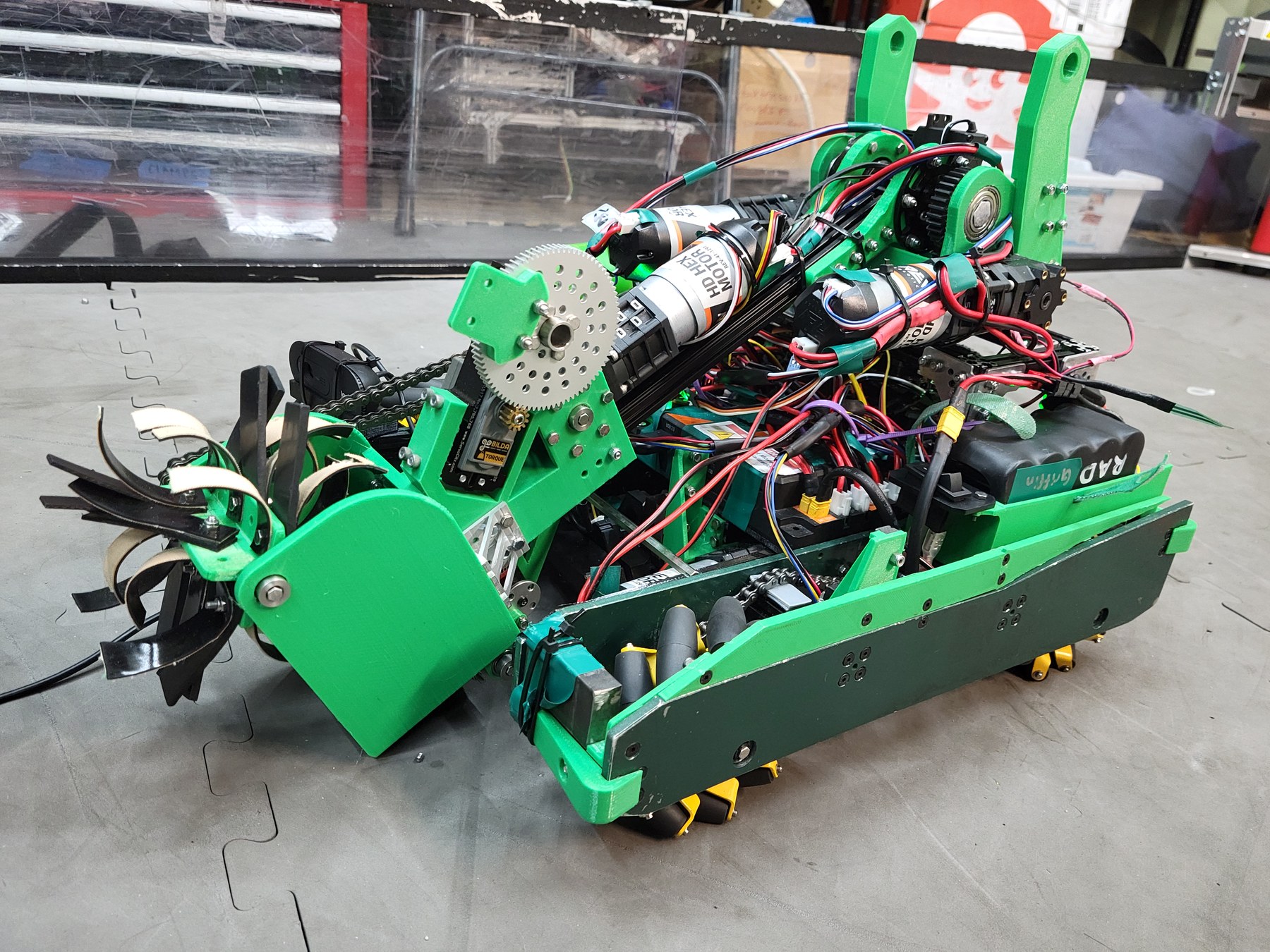
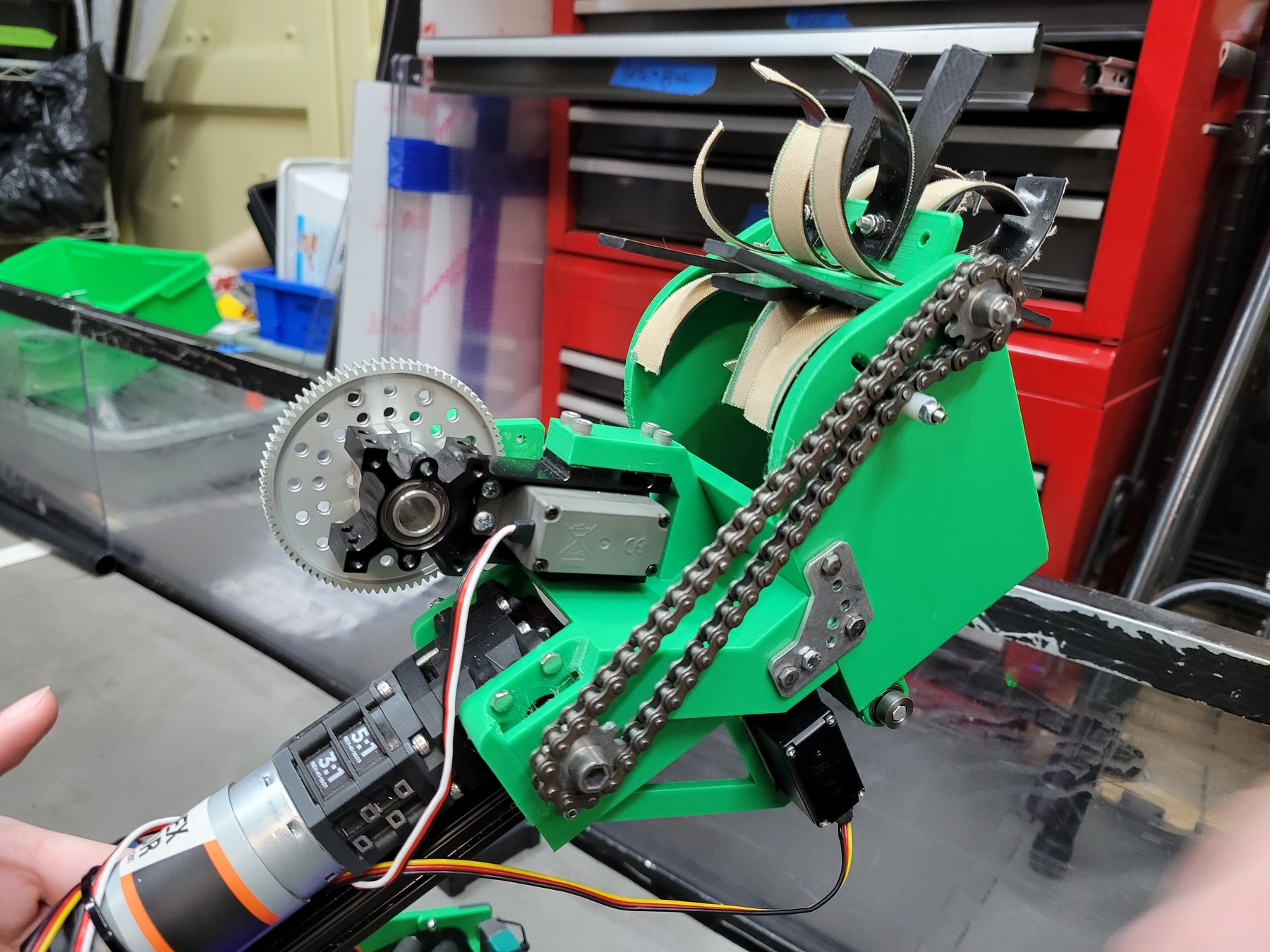
The original linear-slide and arm system worked, but competition exposed limited reach, bulky packaging, drivetrain interference, and recurring motor-mount problems. I stopped patching it and redesigned the scoring system around a rotating turret.
A 60:1 motor, 90-degree gearbox, shaft-supported turret, 10-tooth to 48-tooth sprocket reduction, custom waterjet bracket, and 3D-printed motor hub.
The redesign roughly tripled scoring throughput during comparable periods of play. More important, it taught me that a mechanism can function and still be the wrong system for the robot.
03 · Team lead · 2022–2023
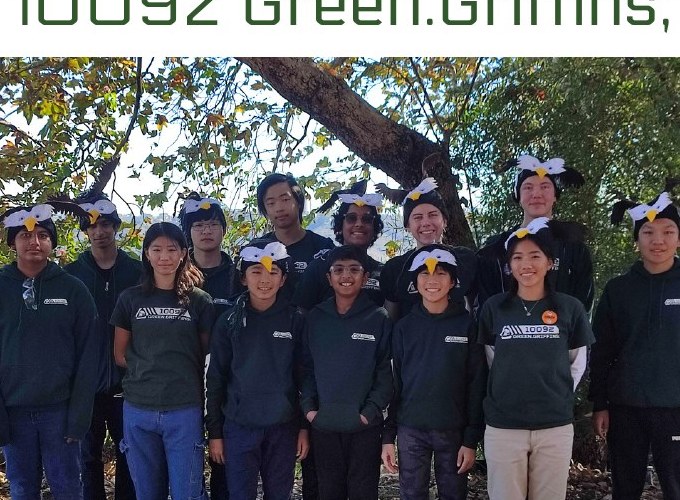
Leading the Green.Griffins through three robot iterations
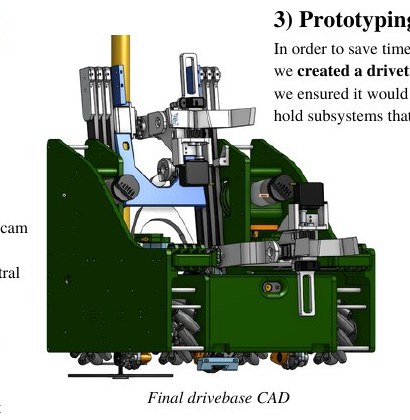
As Team Lead for FTC 10092, I coordinated a roughly 15-person group across mechanical, programming, outreach, business, and media. I still worked heavily on mechanical integration, but my job expanded to meeting priorities, deadlines, design reviews, and helping newer students with CAD and fabrication.
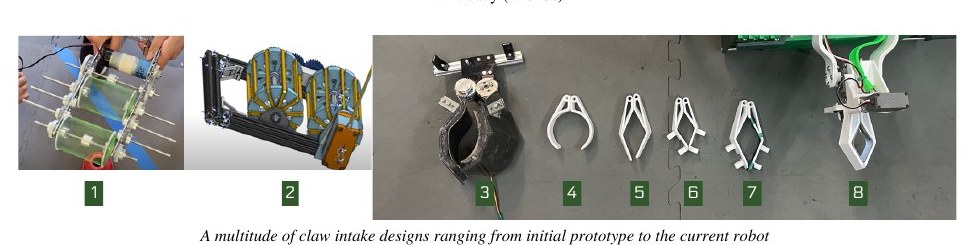
We also changed our process. Instead of immediately committing to CAD, we used quick cardboard, foam, shop-material, and printed prototypes to earn the right to build a concept.
- 01Challenge
- 02Brainstorm
- 03Design matrix
- 04Prototype
- 05CAD
- 06Design review
- 07Build
- 08Test
- 09Iterate
30-hour robot scoring cycle
Refined architecture
Team-developed scoring cycle
Team development that I helped lead and integrate—not three robots I designed alone.
04 · A more advanced design environment · 2023–2024
Learning from Roboctopi
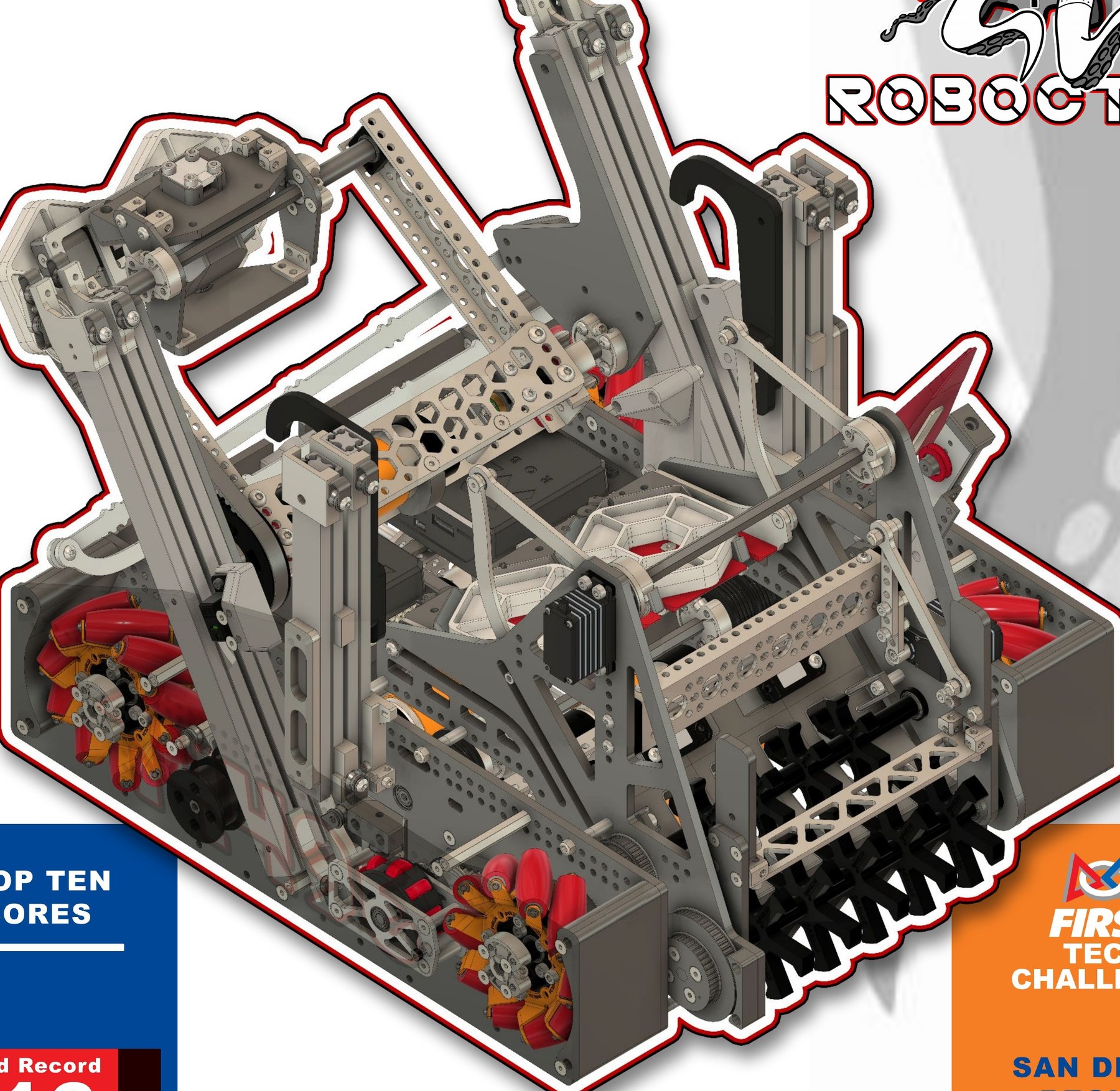
I intentionally joined FTC 14496 to work around more experienced designers. My documented role was Mechanical — Design Team / Outreach.
I developed the initial intake concepts and V1 claw, created a wiring guide, worked in Fusion 360, collaborated on mechanical design, and then handed the intake forward for continued development.
That handoff mattered. Engineering is not always about owning a subsystem forever; sometimes the best contribution is establishing a useful first concept and transferring it cleanly.
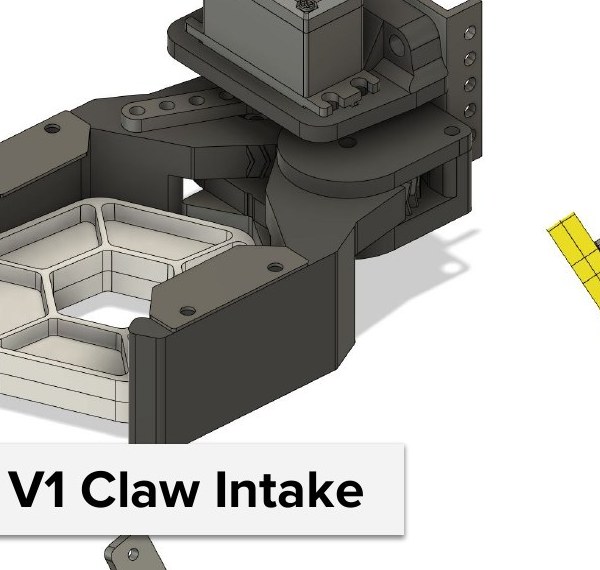
The team environment
The robot was designed almost entirely in Fusion 360 before fabrication. The wider team used motion and stress analysis, gear and torque calculations, CNC milling, laser cutting, FDM printing, silicone molding, urethane injection molding, and tight-tolerance aluminum and Delrin parts.
Those methods describe the environment I contributed within, not a claim that I personally performed every analysis or designed every component.
05 · Moving into FRC · 2023–2024
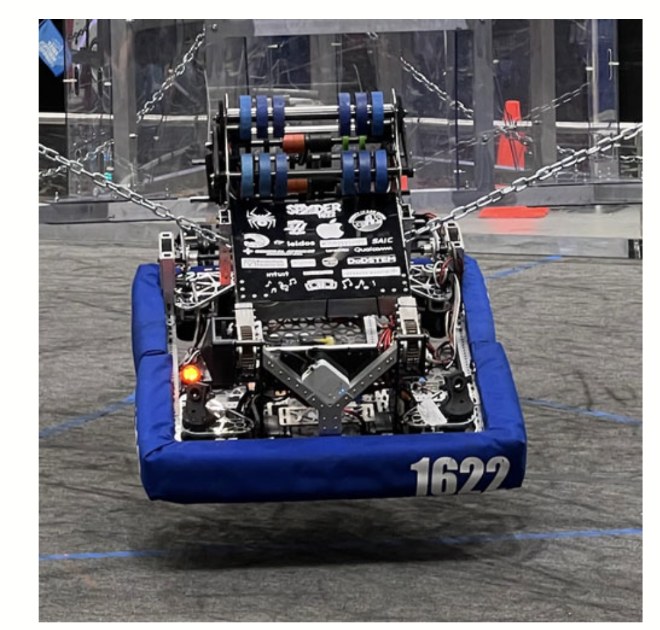
Mechanical bumper integration for Team Spyder
While competing with Roboctopi, I also worked with FRC Team 1622 Team Spyder. My mechanical contribution focused on removable bumper mounting hardware for the competition robot.
The design had to combine structural mounting, quick removal, competition rules, repeated installation, frame integration, and pit access. My STEM advocacy work also led to a Certificate of Recognition from San Diego County Supervisor Joel Anderson for contributions to STEAM Robotics Observance Day.
Team results included regional finalist appearances, the FIRST Impact Award, other judged awards, and FIRST Championship participation.
06 · Skills and leadership
What FIRST actually taught me
- Mechanical design
- Mechanisms, drivetrains, packaging, gear ratios, torque, linkages, linear slides, and end effectors
- CAD
- Fusion 360, Onshape, full robot assemblies, component design, and design reviews
- Manufacturing
- FDM printing, CNC machining, waterjet and laser-cut parts, hand fabrication, and rapid prototypes
- Engineering process
- Design matrices, proof-of-concept builds, calculations, failure analysis, testing, and system integration
- Leadership
- Team lead coordination, scheduling, peer training, technical communication, and design review presentations
Team outreach · 2022–2023
36eventsTeam total
390+volunteer hoursEstimated reach
2,523+people impactedI helped support CAD and mechanical training, FLL team support, STEM events, engineering speakers, and advocacy. With Roboctopi, I also contributed to outreach efforts that launched seven FLL teams and expanded FIRST access to more than 400 students. These figures describe team efforts; my contribution was events, advocacy, and technical support.